

A piece arrives marked "silver", or you spot a tempting deal, and the question starts: is it real silver or an imitation? The good news is that there are simple signs you can check at home in a few minutes, without special tools and without damaging the piece. This guide explains five easy methods, the limits of each one, and when you need a jeweler's opinion.
In short: Look for a 925 stamp, try the magnet, ice cube and white cloth tests, and check the edges for peeling plating. No single home test gives a final answer, but several signs together, plus a trustworthy source, will reassure you.
◆ Why is imitation silver so common?
Because silver is easy to imitate. Many pieces are sold with phrases like "silver color" or "silver plated" when they are really base metals. These are the types most often confused with genuine silver:
- Silver plated: a cheap metal such as brass with a thin layer of silver that wears off with friction.
- Stainless steel: a strong, shiny metal close to silver in color, but it is not silver.
- 'German silver' or nickel silver: a misleading name, because it is an alloy of copper, nickel and zinc with no silver at all.
If you would like to understand silver purity itself before testing, read about 925 silver and 925 vs 999 on the AZIN blog.
◆ Method 1: look for the stamp
Most genuine silver pieces carry a small stamp showing the purity, such as 925, S925 or Sterling. You will usually find it inside a ring, on a necklace or bracelet clasp, or on the back of a pendant or earring. Use bright light or your phone camera zoomed in.
Note: A stamp is a good sign but not proof, because it is easy to stamp an imitation. And some very small genuine pieces have no room for a stamp at all.
◆ Method 2: the magnet
Silver is not attracted to magnets. Hold a strong magnet, such as a fridge magnet, close to the piece:
- If the piece is strongly attracted, it probably contains iron or nickel and is not silver.
- If it is not attracted, that does not prove it is silver, because many other metals are not magnetic either, such as copper, aluminum and most stainless steels used in fashion jewelry.
- A clasp or the tiny spring inside it may be slightly magnetic even on genuine pieces, so test the body of the piece itself.
◆ Method 3: the ice cube
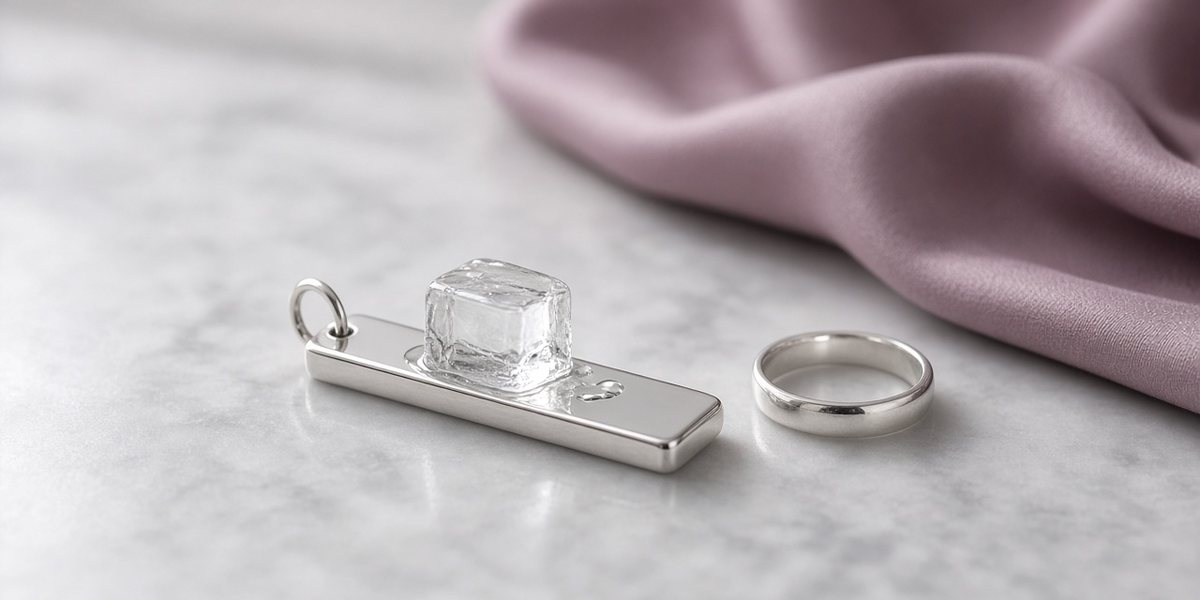
Silver is one of the best heat conductors there is. In fact, it has the highest thermal conductivity of any metal. So when you put an ice cube on a silver piece, it starts melting noticeably fast, as if it were on a warm surface.
- Place the piece on a flat surface at room temperature.
- Put a small ice cube on it, and a second one on another metal object, such as a stainless steel spoon, for comparison.
- Watch: on silver, the ice melts noticeably faster.
This works best with flat, larger pieces such as wide pendants and thick bracelets, and is less obvious with fine chains and small earrings.
◆ Method 4: the white cloth
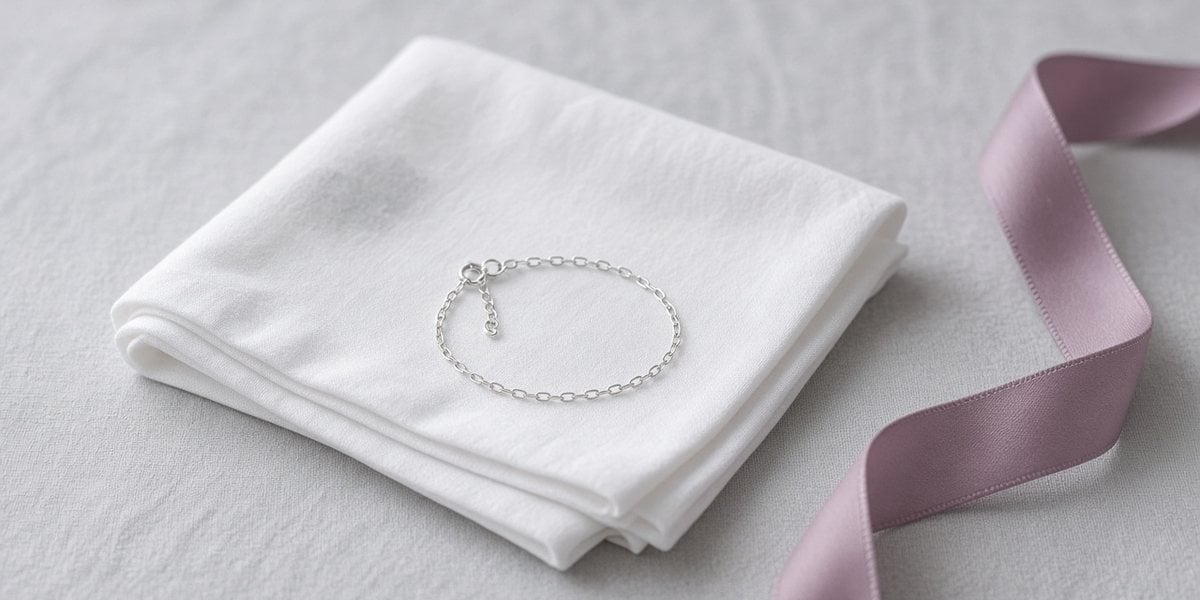
Genuine silver reacts with the air over time, forming a thin dark layer on its surface. When you rub the piece gently with a soft white cotton cloth, you will often see a faint grey or black mark on the cloth.
But note: very new pieces or rhodium-plated pieces may leave no mark at all, because the plating protects the surface. So no mark does not mean it is fake.
◆ Method 5: inspect the piece closely
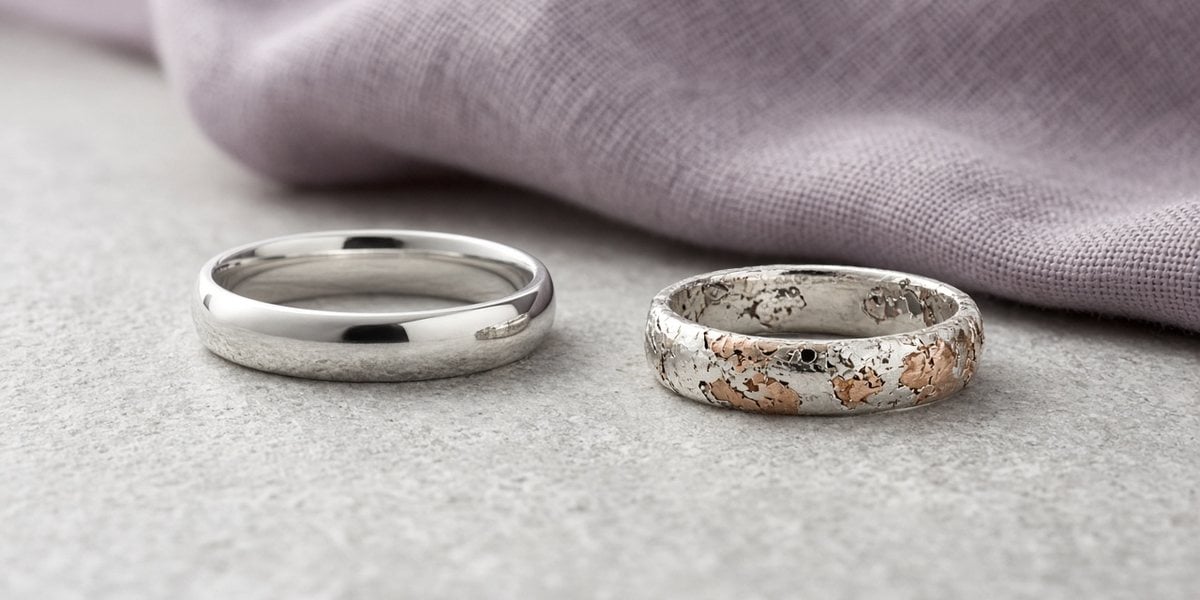
- Edges and friction points: on ordinary plated pieces, the coating starts to wear inside the ring and at the edges of the clasp, revealing a yellowish or coppery color underneath.
- Color: silver has a soft, warm white tone, while stainless steel leans slightly darker grey.
- Weight: silver is heavier than aluminum and many light alloys, so a piece that feels oddly light is worth asking about.
- Finish: genuine pieces from a trustworthy store have a clean finish, and stones are usually set without visible glue.
◆ Real silver vs imitations
| Material | Magnet | Over time | Verdict |
|---|---|---|---|
| 925 silver | Not attracted | May dull, and cleaning restores the shine | Genuine silver |
| Silver plated | Depends on the base metal | Plating peels and the base metal shows | Not silver |
| Stainless steel | Usually not attracted, or only slightly | Color stays almost the same | Not silver |
| German silver (nickel silver) | Usually not attracted | May discolor and irritate some skin | Contains no silver |
◆ Methods we never recommend
- Chlorine and bleach: turn silver black quickly and can damage the surface and stones.
- Acids at home: acid testing needs hazardous chemicals and experience, and a small mistake can harm both the piece and you.
- Scratching and filing: scratch the piece and lower its value, even if it is genuine.
- Burning with a flame: gives no clear result and damages stones and plating.
◆ When do you need a jeweler or a testing lab?
If the piece is valuable or inherited and you want a definite answer, take it to a trusted jeweler. Some jewelers use X-ray analyzers that read the metal content without touching the piece, or perform an acid test on a special touchstone safely and with experience.
◆ How to buy genuine silver online with confidence
- Make sure the description clearly says "925 sterling silver", not "silver color" or "silver tone".
- Check whether the piece is natural-color silver or plated with gold or rhodium.
- Read the exchange and return policy before ordering.
- If the price is far below the market for a large, heavy piece, ask before you buy.
At AZIN, all jewelry is 925 sterling silver. Some pieces are plated with gold or rhodium, and every product description says so. And to keep it shining, see how to clean silver at home.
◆ Real silver FAQs
Does real silver tarnish?
Yes. It may dull or darken over time as it reacts with air and moisture. This is normal, and cleaning brings the shine back.
Is real silver magnetic?
No. If a piece is strongly attracted to a magnet, it is most likely not silver, but not being attracted is not enough on its own.
Is 'German silver' real silver?
No. It is an alloy of copper, nickel and zinc with no silver; the name is just an old trade term.
Does real silver turn skin green?
Rarely. A green mark usually comes from copper in cheap plated metals. A faint mark can appear with 925 silver on some people because of its copper content, and it washes off.
Is a 925 stamp enough?
A stamp is a good indicator, but the safest approach is to combine it with buying from a trustworthy store that states the material clearly.
Read also:
◆ Does Silver Cause Skin Allergies? Who Can Wear It Comfortably
◆ Does 925 Silver Change Color? What Causes Tarnish and How to Prevent It
◆ Caring for Gold- and Rhodium-Plated Silver: How to Make Plating Last
925 sterling silver you can trust
AZIN jewelry has been 925 sterling silver since 2013, with a clear description for every piece.